
Why Geese Keep Coming Back to Your Yard
If you’re tired of geese taking over your lawn, leaving droppings everywhere, and making outdoor spaces unusable, you’re not alone. Thousands of homeowners struggle with geese every year, especially those who live near ponds, lakes, retention basins, golf courses, or waterfront property.
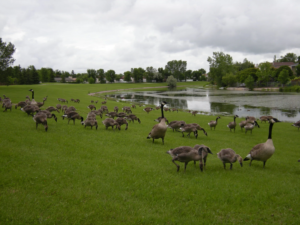
The first step to solving the problem is understanding why geese are attracted to your yard in the first place.
Geese love:
- Open grassy areas
- Easy access to water
- Minimal predators
- Consistent food sources
- Safe nesting locations
Many suburban lawns provide the perfect habitat. Once geese identify your property as a safe location, they often return repeatedly and may even bring additional birds with them.
Why Geese Are More Than Just a Nuisance
Many homeowners underestimate the impact geese can have on their property.
A single goose can produce more than a pound of droppings every day. A small flock can quickly turn a beautiful lawn into a messy and unpleasant environment.
Common problems include:
- Excessive droppings
- Damaged grass
- Aggressive behavior during nesting season
- Increased bacteria near water features
- Reduced enjoyment of outdoor living spaces
Fortunately, there are several effective ways to discourage geese from making your yard their permanent home.
1. Remove Their Preferred Habitat
One of the most effective long-term strategies is making your property less attractive.
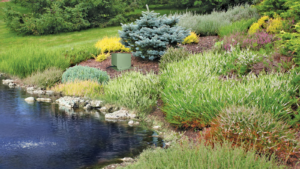
Geese prefer wide-open spaces because they can easily spot predators.
Consider:
- Planting taller ornamental grasses
- Creating landscaping barriers
- Adding shrubs near water edges
- Reducing large uninterrupted grassy areas
When geese lose their clear line of sight, they often choose another location.
2. Use Visual Deterrents
Visual deterrents can be somewhat effective, especially when geese first begin visiting.
Examples include:
- Reflective tape
- Predator decoys
- Windsocks
- Moving garden decorations
However, geese are intelligent birds and quickly learn when a deterrent poses no real threat.
For this reason, visual deterrents typically work best when combined with other methods.
3. Install Physical Barriers
If your property borders water, physical barriers can be highly effective.
Geese prefer easy access between water and feeding areas.
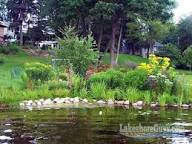
Installing barriers such as:
- Decorative fencing
- Shrubs
- Native vegetation
- Low landscape walls
can significantly reduce goose traffic.
Even barriers only a few feet high can discourage geese from walking onto your property.
4. Avoid Feeding Geese
This may seem obvious, but feeding geese is one of the fastest ways to encourage them to stay.
Even occasional feeding teaches geese that your property is a reliable food source.
If neighbors feed geese, consider discussing the long-term consequences with them.
Once geese associate an area with food, they often return year after year.
5. Use Humane Goose Repellents
Several commercial repellents are available that make grass less appealing to geese.
These products typically work by creating an unpleasant taste.
Repellents can help reduce grazing activity but often require repeated applications and ongoing maintenance.
For many homeowners, repellents are most effective when used alongside habitat modifications and other deterrents.
6. Discourage Nesting Activity Early
The earlier you address goose activity, the easier it is to prevent long-term problems.
Watch for signs such as:
- Pairing behavior
- Territorial aggression
- Repeated visits to the same area
- Nest construction
Once geese establish nesting sites, removing them becomes significantly more difficult.
Early intervention is key.
7. Use a Laser Goose Deterrent
One of the most effective humane solutions available today is a laser goose deterrent.
Green laser systems work by creating a visible moving object that geese perceive as a threat.
Unlike static deterrents that birds eventually ignore, lasers create an active disturbance that encourages geese to leave the area.
Benefits include:
- Humane operation
- No chemicals
- No physical contact
- Safe for landscaping
- Effective over large areas
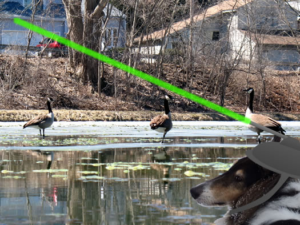
Many homeowners use laser deterrents around:
- Lawns
- Waterfront property
- Backyard ponds
- Docks
- Shorelines
For homeowners seeking a long-term solution, a laser goose deterrent can be one of the most effective options available.
Internal Link Suggestion:
Learn more about our Goose Laser systems for homeowners here.
What Is the Best Goose Deterrent?
The most effective solution usually combines several strategies.
A recommended approach:
- Modify landscaping
- Reduce access points
- Prevent nesting
- Use active deterrents such as lasers
No single solution works perfectly in every situation, but combining multiple methods dramatically improves results.
Frequently Asked Questions
What is the most effective goose deterrent?
The most effective deterrents combine habitat modification, physical barriers, and active deterrents such as laser systems.
Do laser goose deterrents hurt geese?
No. Properly used laser deterrents are designed to encourage geese to leave an area without causing physical harm.
Why do geese keep returning to my yard?
Geese return when they find reliable food sources, open grass, access to water, and safe nesting areas.
How do I keep geese away from my pond?
Adding shoreline vegetation, barriers, and active deterrents can significantly reduce goose activity around ponds.
Are goose repellents effective?
Repellents can help but generally work best when combined with other deterrent methods.
Final Thoughts
Keeping geese away from your yard permanently requires more than a temporary scare tactic. By understanding what attracts geese and using a combination of habitat modification, barriers, and humane deterrents, homeowners can dramatically reduce goose activity and reclaim their outdoor spaces.
If geese have become a persistent problem on your property, a laser goose deterrent may provide the long-term solution you’ve been looking for.